What to Use to Clean Glass Top Stove Without Scratches
Learn what to use to clean glass top stove without scratches safely. Discover gentle products, techniques, and prevention tips for sparkling results.
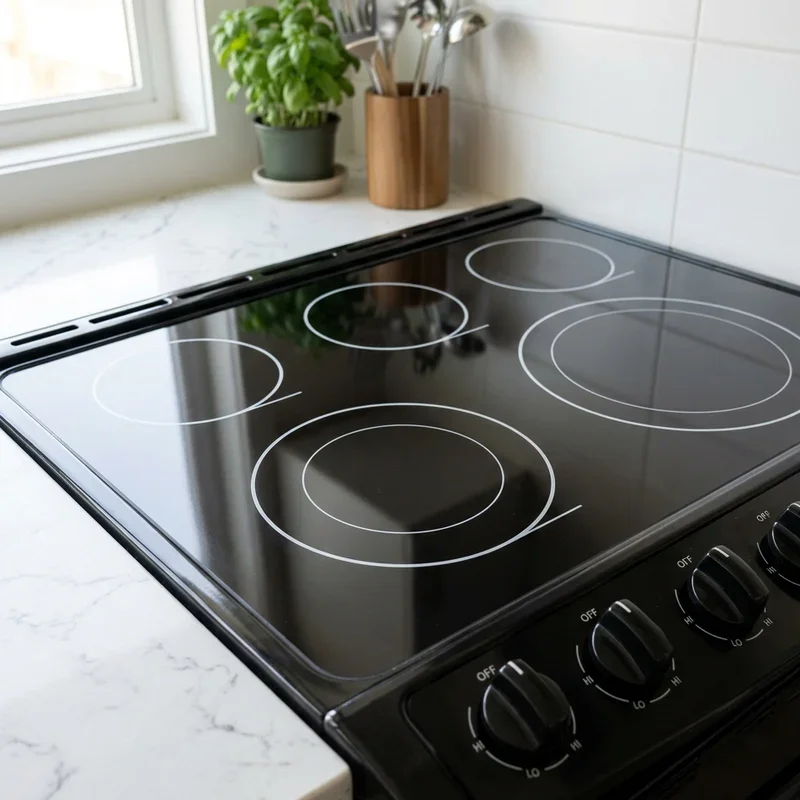
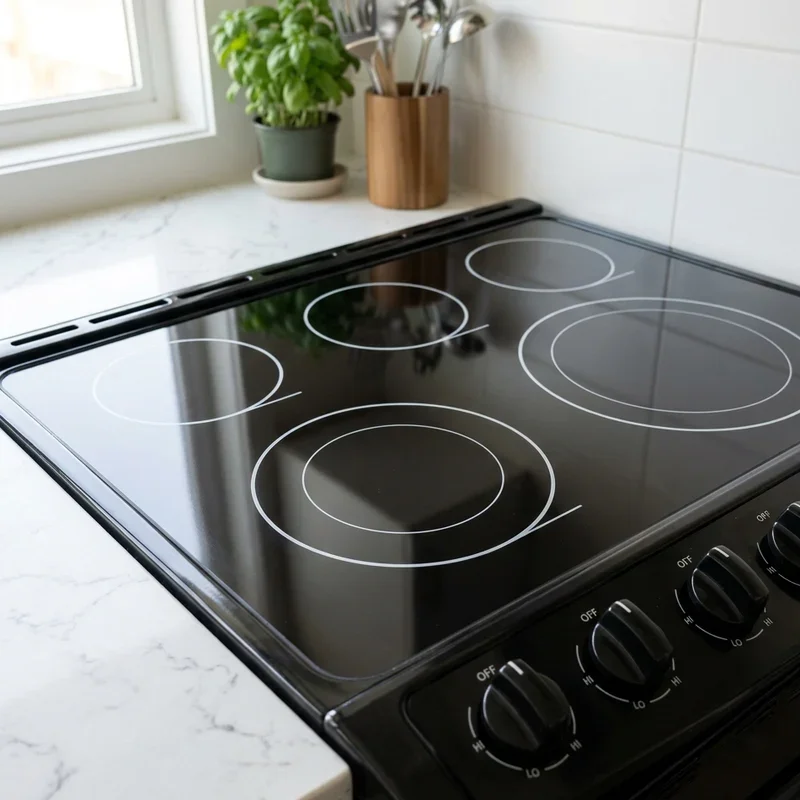
Glass top stoves are absolutely gorgeous when they're clean. That sleek, seamless surface catches the light just right, making your whole kitchen look modern and polished. But here's the catch that nobody mentions in the showroom. Keeping that pristine appearance requires knowing exactly how to clean it without leaving behind a roadmap of scratches and scuffs.
If you've ever scrubbed a stubborn spot only to discover you've created a permanent haze of fine scratches, you know exactly how heartbreaking that moment can be. These smooth ceramic surfaces seem so durable, yet they're surprisingly susceptible to damage from common cleaning tools and products that work perfectly fine on other surfaces.
The irony is thick here. Something designed to look beautiful requires more careful handling than its less attractive counterparts. That traditional coil stove might not win any beauty contests, but at least you didn't have to worry about scratching the heating elements with a sponge.
Understanding what to use to clean glass top stove without scratches saves you from expensive damage and keeps your cooktop looking showroom-fresh for years. Whether you're dealing with everyday splatters, baked-on messes, or mysterious stains that appeared from who knows where, the right tools and techniques make all the difference.
Ready to learn the secrets to scratch-free cleaning? Let's dive into everything you need to know.
Understanding Your Glass Top Surface
Knowing what you're working with helps you treat it properly.
The Material Reality
Glass top stoves aren't actually made of regular glass at all. They're constructed from ceramic glass, a specialized material designed to withstand extreme heat while providing that smooth, attractive cooking surface. This ceramic glass contains crystalline structures that make it heat-resistant but also somewhat vulnerable to abrasion. Surface scratches don't affect cooking performance, but they definitely impact appearance and can make your cooktop look worn and neglected prematurely.
Why Scratches Happen
Scratches occur when harder materials come into contact with the ceramic surface, especially when friction is involved. Dragging pots and pans, using abrasive scrubbers, or cleaning with gritty products all create tiny abrasions that accumulate over time. Even sugar spilled during cooking can crystallize and scratch surfaces when pots are slid across it. Understanding these causes helps you prevent damage while developing safer cleaning habits.
The Damage Is Permanent
Here's the hard truth nobody wants to hear. Once scratches appear on glass top stoves, they're permanent. No product or technique removes genuine scratches since you'd essentially need to remove material to make them disappear. This reality makes prevention absolutely essential. Taking proper care from day one protects your investment far better than any repair attempt.
What to Use to Clean Glass Top Stove Without Scratches: Safe Products
Choosing the right cleaning products prevents damage while delivering sparkling results.
Commercial Glass Top Cleaners
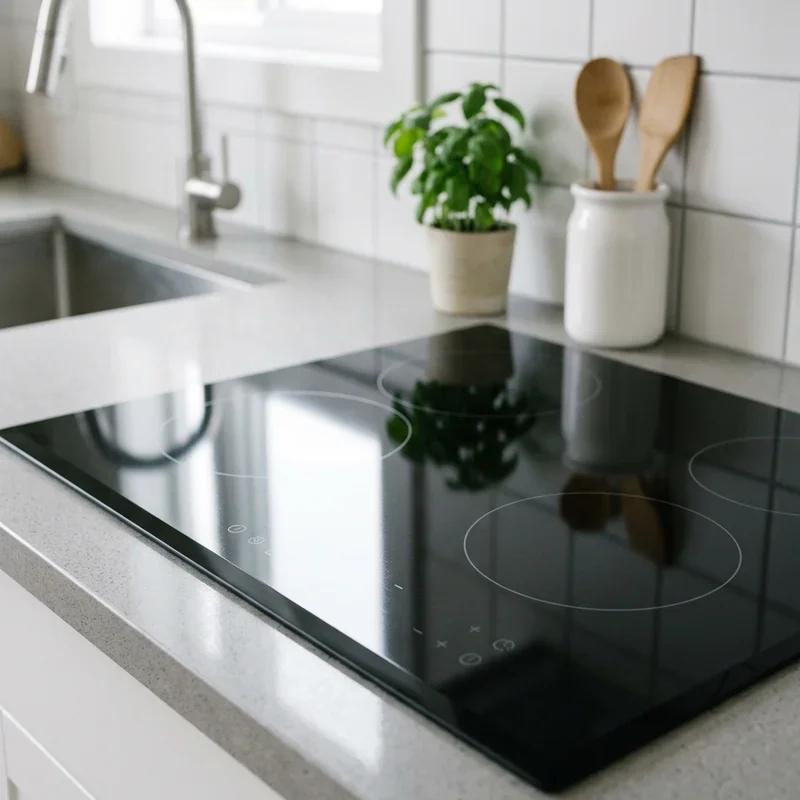
Purpose-made ceramic cooktop cleaners are formulated specifically for these surfaces. Products like Weiman, Bar Keepers Friend Cooktop Cleaner, and Cerama Bryte contain gentle abrasives that remove residue without scratching the ceramic glass. These cleaners also leave protective coatings that make future cleaning easier and provide some scratch resistance. Investing in quality cooktop cleaner pays dividends through easier maintenance and longer-lasting appearance.
Dish Soap Solution
Plain liquid dish soap mixed with warm water handles everyday cleaning beautifully. This gentle solution cuts through grease and light food residue without any risk of scratching whatsoever. Dilute a few drops in a spray bottle with water for convenient daily cleaning. Dish soap won't tackle burned-on messes effectively, but it's perfect for routine maintenance between deeper cleaning sessions.
White Vinegar
White vinegar's mild acidity cuts through grease and hard water stains naturally without scratching. Mix equal parts water and vinegar in a spray bottle for an effective, economical cleaner. The vinegar smell dissipates quickly after wiping clean. This pantry staple works wonderfully for regular maintenance and leaves surfaces streak-free.
Baking Soda Paste
Baking soda provides gentle abrasive action for tougher spots without damaging ceramic surfaces. Mix baking soda with small amounts of water or dish soap to create a paste. This paste loosens baked-on food when allowed to sit before wiping. Despite its mild abrasiveness, baking soda is soft enough that it won't scratch glass top surfaces when used properly.
What to Use to Clean Glass Top Stove Without Scratches: Safe Tools
The tools you choose matter as much as the products you use.
Microfiber Cloths
Microfiber cloths should be your primary cleaning tool for glass top stoves without question. These soft cloths lift and trap debris without scratching delicate surfaces. Their microscopic fibers clean effectively without requiring harsh scrubbing. Keep several dedicated specifically for your cooktop to prevent cross-contamination from other cleaning tasks.
Soft Sponges
Non-abrasive sponges work well for applying cleaning products and light scrubbing. Choose sponges without scrubbing pads attached since those abrasive surfaces will scratch your cooktop. The soft side only should ever touch your glass surface. Squeeze out excess moisture before wiping to prevent dripping and streaking.
Razor Blade Scrapers
Believe it or not, razor blade scrapers designed for cooktops are actually safe for removing tough burned-on deposits. The key is using them correctly at the proper angle, typically around thirty degrees. Purpose-made cooktop scrapers include safety guards and retractable blades for safe storage. These tools lift hardened debris that other methods can't touch without scratching.
Paper Towels
Plain white paper towels work fine for final buffing and removing cleaning residue. Avoid paper towels with embedded lotions or textured patterns that might contain rougher fibers. Paper towels are particularly convenient for quick daily wipe-downs between more thorough cleanings.
Products and Tools to Absolutely Avoid
Knowing what not to use is equally important as knowing safe options.
Abrasive Scrubbers
Steel wool, scouring pads, and rough-textured scrub brushes will absolutely destroy your glass top surface. Even one aggressive scrubbing session can leave permanent damage. These tools that work fine on stainless steel or traditional cookware have no place anywhere near ceramic cooktops. Resist the temptation to use them even on the most stubborn spots.
Harsh Chemical Cleaners
Oven cleaners, bleach, and highly alkaline products can damage the protective coating on ceramic glass surfaces. These strong chemicals may also discolor the surface or leave permanent haze. Stick to products specifically formulated for glass cooktops or gentle household options like dish soap and vinegar.
Powdered Cleansers
Gritty powder cleansers like Comet or Ajax contain abrasives far too harsh for ceramic surfaces. These products scratch readily, creating cloudy areas that no amount of buffing will restore. Even settling powder that appears gentle contains particles hard enough to damage your cooktop.
Glass Cleaners
Regular glass cleaners like Windex aren't ideal for ceramic cooktops despite the glass-like appearance. These products can leave residue that burns and discolors when the surface heats up. They also don't effectively cut through cooking grease and food residue.
Step-by-Step Daily Cleaning
Routine cleaning prevents buildup that becomes harder to remove later.
Step One: Cool Down Completely
Never clean your glass top stove while it's warm or hot since thermal shock can damage the surface. Cleaning products can also burn onto hot surfaces, creating new messes rather than removing old ones. Wait until the cooktop feels cool to the touch before beginning any cleaning process.
Step Two: Remove Loose Debris
Wipe away any loose crumbs, food particles, or debris using a dry microfiber cloth. This prevents dragging particles across the surface during wet cleaning. Pay attention to the area around burners where food tends to accumulate.
Step Three: Apply Cleaner
Spray your chosen cleaning solution across the surface, or apply small amounts of cooktop cleaner as directed. Avoid oversaturating the surface since excess liquid can seep beneath the glass into electrical components. A light misting or thin layer of cream cleaner works perfectly.
Step Four: Wipe Clean
Use a soft microfiber cloth to wipe the entire surface, working in straight lines rather than circles. Circular motions can create swirl marks over time. Apply gentle pressure without scrubbing aggressively. Flip the cloth to a clean section frequently.
Step Five: Buff to Shine
Use a clean, dry microfiber cloth to buff the surface until it shines. This removes any remaining cleaner residue and prevents streaking. Buffing also helps you spot any areas needing additional attention.
Tackling Stubborn Burned-On Messes
Sometimes gentle daily cleaning isn't enough for serious cooking disasters.
The Baking Soda Soak Method
For baked-on food that won't budge, create a thick paste of baking soda and water. Spread this paste over the affected area and cover with a damp hot cloth. Let everything sit for fifteen to thirty minutes while the moisture and mild abrasive work together. The combination loosens even stubborn residue. Wipe away with a clean cloth, then clean normally.
Razor Scraper Technique
When dried spills have truly cemented themselves to the surface, a cooktop razor scraper becomes necessary. Hold the scraper at a thirty-degree angle and push forward gently, lifting the debris as you go. Never scrape backward since this can cause scratching. Work slowly and carefully, wiping away loosened material as you progress.
Vinegar and Dish Soap Combo
Mix dish soap with white vinegar in a spray bottle, then liberally apply to stubborn spots. The combination cuts through both grease and mineral deposits effectively. Allow it to sit for several minutes before wiping with a soft cloth. This method works well for spots that aren't quite burned on but resist normal cleaning.
Commercial Heavy-Duty Options
Cooktop cleaning products often include heavy-duty versions designed for serious messes. These contain slightly stronger cleaning agents and may include light abrasives suitable for ceramic surfaces. Follow package directions carefully and always test in an inconspicuous area first.
Preventing Scratches and Damage
An ounce of prevention is worth a pound of cure when it comes to glass top stoves.
Lift, Don't Drag
Always lift pots and pans rather than sliding them across the surface. Even smooth-bottomed cookware can scratch when dragged, especially if any debris is caught underneath. Teach everyone in your household this essential habit to protect your cooktop.
Use Appropriate Cookware
Flat-bottomed stainless steel, aluminum, and copper cookware works best on glass tops. Avoid rough-bottomed cast iron unless it's perfectly smooth. Check pot bottoms for burrs, rough spots, or debris before placing on the cooktop. Even small irregularities can scratch.
Clean Spills Promptly
Sugar spills are particularly damaging if allowed to melt and harden on hot surfaces. Clean spills as soon as safely possible, using a razor scraper on hot surfaces if necessary to prevent permanent damage. Prompt attention prevents many cleaning headaches.
Use Protective Covers
Cooktop covers provide protection when the stove isn't in use, preventing accidental scratches from dropped items or curious pets. Some covers also function as additional counter space, adding functionality while protecting your investment.
Maintain the Burner Area
Keep burner areas clean and free from debris that could scratch when cookware is placed. Food particles underneath pots create scratching hazards you might not notice until damage is done.
Dealing with Discoloration
Not all surface problems are scratches. Some issues have different solutions.
Metallic Marks
Aluminum or copper residue from cookware sometimes leaves gray or iridescent marks on ceramic surfaces. These aren't scratches but metal deposits that cooktop cleaner usually removes. Apply cleaner, let it sit briefly, then wipe with a microfiber cloth. Stubborn marks may need multiple treatments.
Cloudiness and Haze
Cloudy areas often result from hard water mineral deposits or cleaning product residue rather than actual surface damage. White vinegar cuts through mineral buildup effectively. For product residue, clean with fresh water and a microfiber cloth, then buff dry.
Heat Stains
Dark marks sometimes appear around burners from extreme heat exposure. While some staining is inevitable over time, keeping burner areas clean minimizes discoloration. These stains usually don't affect cooking performance and are largely cosmetic.
Conclusion
Mastering what to use to clean glass top stove without scratches keeps your cooktop looking beautiful while protecting your investment for years of cooking enjoyment. Soft microfiber cloths, purpose-made cooktop cleaners, and gentle household options like vinegar and baking soda handle most cleaning tasks safely. Avoiding abrasive tools and harsh chemicals prevents the permanent damage that no cleaning technique can reverse. Combined with proper cookware habits and prompt spill attention, these methods ensure your glass top stove remains the stunning kitchen centerpiece it was designed to be.
Read next: 15 Kitchen Drop Zone Ideas for a Tidy and Functional Space
Frequently Asked Questions
1.Can I use Magic Eraser on my glass top stove?
Magic Erasers are mildly abrasive and may cause fine scratches with repeated use, so avoid them.
2.How often should I deep clean my glass top stove?
Deep clean weekly for regular use, or immediately after cooking messes that require more attention.
3.Will Bar Keepers Friend scratch my glass top stove?
The liquid cooktop version is safe, but the original powder formula is too abrasive for use.
4.Can I use a regular razor blade instead of a cooktop scraper?
Yes, but cooktop scrapers are safer with built-in guards and proper angles for the task.
5.Why does my glass top stove look cloudy even after cleaning?
Cloudiness usually indicates hard water deposits or cleaner residue, both removable with vinegar treatment.
Stay up to date with our latest ideas!