Does a Gas Stove Need Electricity to Work?
Discover does a gas stove need electricity to work and learn which features require power. Understand your stove's capabilities during outages.
The power goes out during a storm, and suddenly you're wondering whether you can still cook dinner on that gas stove of yours. It seems like a straightforward question, right? After all, the whole point of having a gas stove is burning natural gas or propane, so why would electricity even enter the conversation?
Well, here's where things get a little more complicated than most people realize. The answer isn't a simple yes or no, and understanding the nuances could make a real difference during an emergency or when you're deciding what type of stove to purchase for your home.
Gas stoves have been around for well over a century, long before electricity became a household staple. Your great-grandmother certainly cooked without any electrical components on her gas range. But modern gas stoves have evolved significantly, incorporating various electrical features that blur the lines between gas and electric appliances.
Understanding does a gas stove need electricity to work helps you prepare for power outages, make informed purchasing decisions, and know exactly what your appliance is capable of under different circumstances. Whether you're a survivalist planning for emergencies or just a curious homeowner, this comprehensive guide breaks down everything you need to know.
Let's get to the bottom of this surprisingly complex question.
The Basic Components of Gas Stoves
Understanding how gas stoves function helps clarify why electricity matters for some features but not others.
The Gas Burner Fundamentals
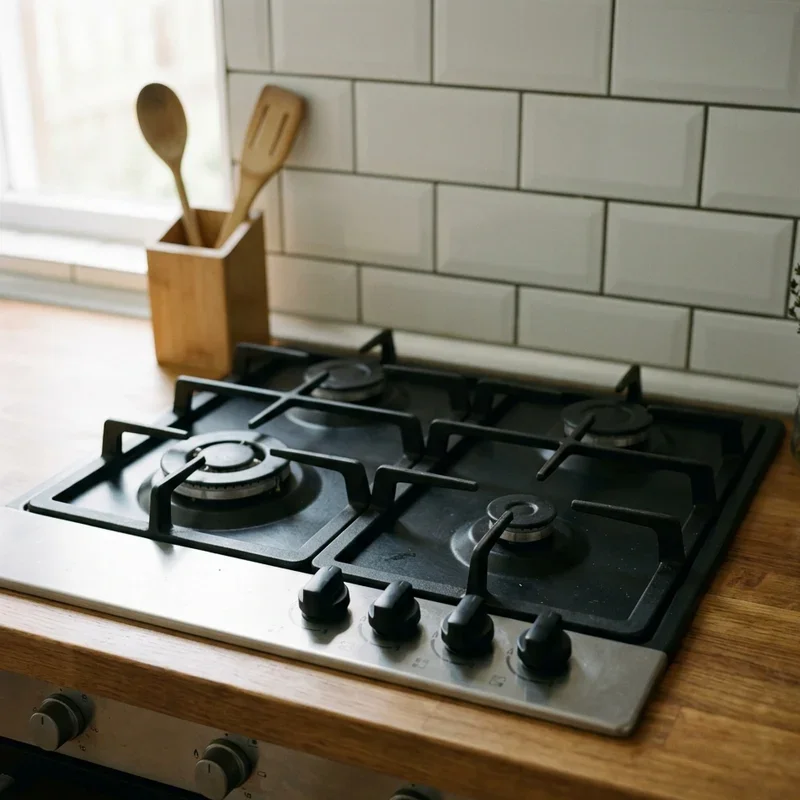
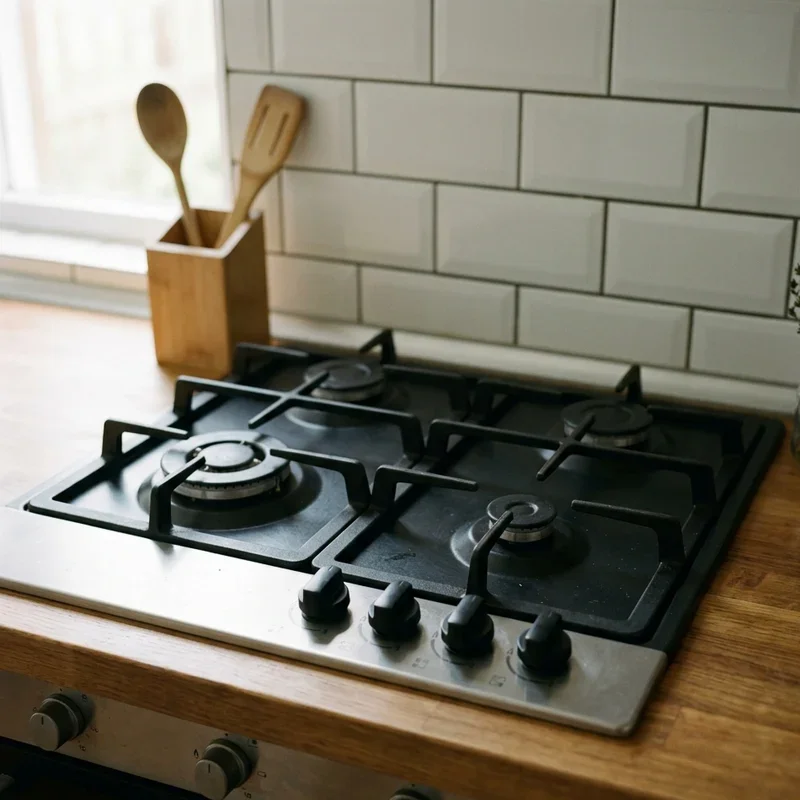
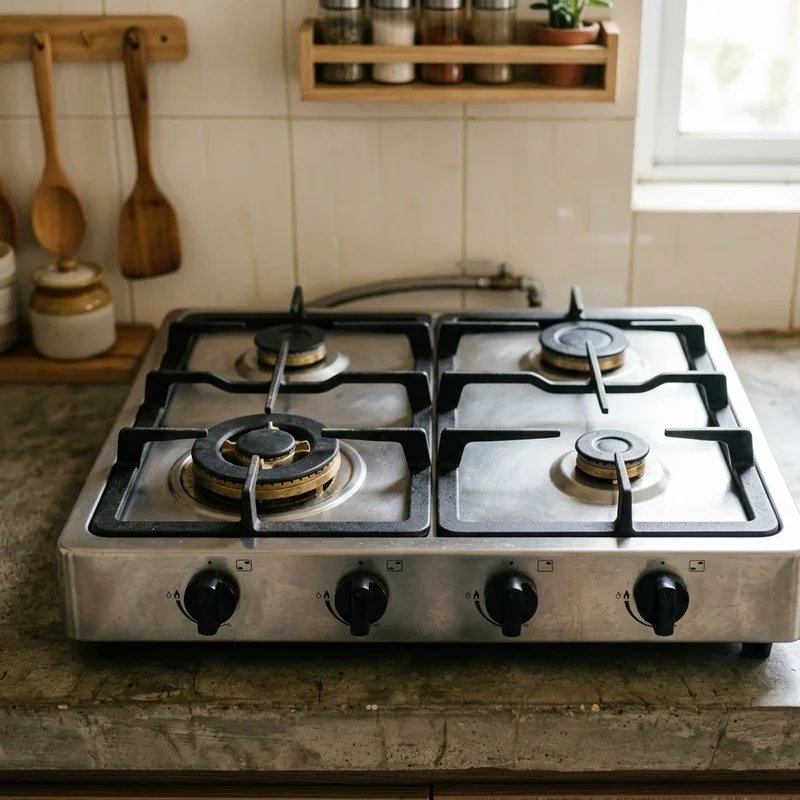
At its core, a gas stove operates on remarkably simple principles that don't require electricity at all. Gas flows through a valve, mixes with air, and ignites to create a flame. The heat from this combustion cooks your food. This basic mechanism works entirely through gas pressure and combustion chemistry. Your burners themselves are essentially just metal parts with holes that allow gas to flow and burn in a controlled manner.
How Heat Generation Works
The actual cooking heat comes exclusively from burning gas, not from any electrical element. Natural gas or propane combusts when ignited, releasing heat energy that transfers to your pots and pans above. This heat generation process requires zero electrical input once the flame is burning. The temperature you achieve depends on gas flow rate, controlled by the burner knobs, not by any electrical regulation.
The Role of Gas Valves
Gas valves control fuel flow to each burner, and these mechanical components operate through physical turning of knobs. When you rotate a burner knob, you're mechanically opening a valve that allows gas to flow. No electricity powers this function. The valve opens, gas flows, and assuming ignition occurs, you've got cooking heat.
Does a Gas Stove Need Electricity to Work? Understanding Ignition Systems
The ignition system is where electrical dependency becomes relevant for most modern gas stoves.
Electronic Ignition Explained
Modern gas stoves almost universally use electronic ignition systems that require electricity to create the initial spark. When you turn a burner knob, you hear that clicking sound as an electric spark igniter attempts to light the gas. This spark comes from electrical energy, typically using household current. Without electricity, this automatic ignition simply won't function, leaving you with flowing gas but no flame.
Standing Pilot Light Systems
Older gas stoves used standing pilot lights instead of electronic ignition, eliminating any electrical requirement entirely. A small flame burned continuously, ready to ignite burners whenever gas flow began. These systems worked perfectly without any electrical connection whatsoever. However, standing pilots waste gas by burning constantly, which is why manufacturers largely abandoned them decades ago.
Piezoelectric Ignition Options
Some gas stoves use piezoelectric ignition, which generates a spark through mechanical pressure rather than household electricity. When you push the igniter button, a crystal creates voltage through physical compression. This technology requires no external electrical power, offering true independence from the power grid. Some high-end ranges and many portable camping stoves use this technology specifically for its independence.
Gas Stove Features That Require Electricity
Beyond ignition, several modern features depend entirely on electrical power to function.
Electronic Controls and Displays
Many contemporary gas stoves feature digital displays, electronic timers, and touchpad controls that absolutely require electricity. These conveniences provide precise temperature settings, programmable cooking functions, and visual feedback. Without power, these displays go dark and electronic controls become completely unresponsive. Stoves with these features may not allow any burner operation during power outages.
Oven Temperature Regulation
Gas ovens on modern ranges often use electronic thermostats and safety systems requiring electricity to function properly. The thermostat monitors temperature electronically and adjusts gas flow accordingly. Safety ignition systems verify flames are actually burning before allowing continued gas flow. These electronic safety features typically prevent oven operation entirely when power is absent.
Convection Fan Operation
Gas ovens with convection cooking use electric fans to circulate hot air around food for even cooking. This fan runs on electricity, not gas combustion. During power outages, convection functionality disappears completely. Standard radiant heat cooking may still work in some ovens, but that even convection distribution won't be available.
Interior Lighting
The light inside your oven that lets you check on roasting turkeys runs on electricity. This minor convenience obviously won't function during outages. Cooktop surface lights, control panel illumination, and any other built-in lighting all require electrical power.
Cooking During Power Outages
When electricity fails, knowing your options keeps meals on the table.
Using Matches or Lighters
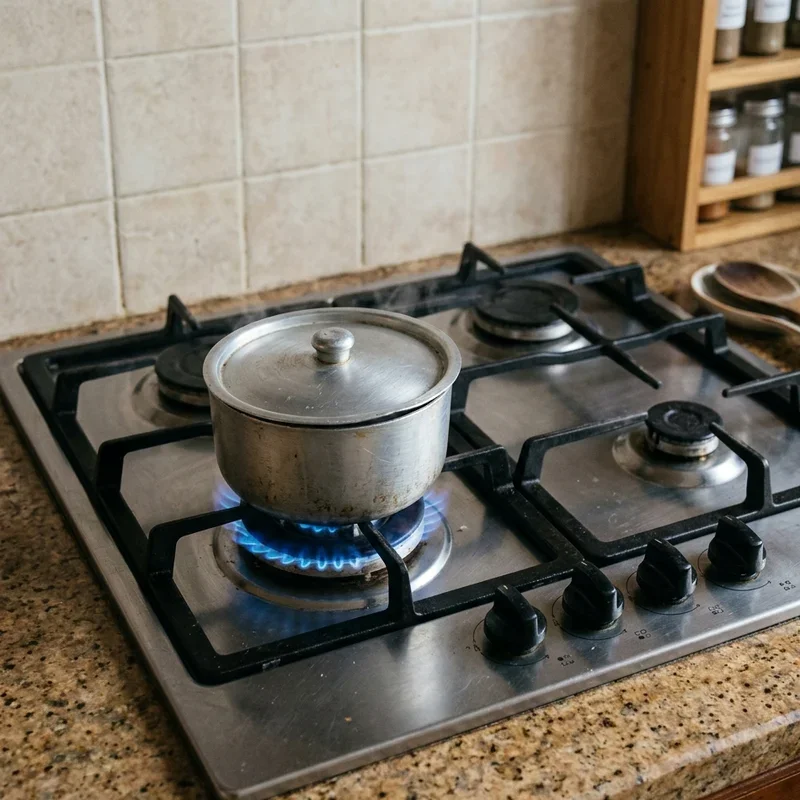
Most gas stovetop burners can be manually lit using matches or a long lighter during power outages. Turn the burner knob to release gas flow, then carefully bring a flame to the burner. The gas will ignite and burn normally once lit. This method works for cooktop burners on most gas stoves regardless of their ignition system type.
Safety Considerations
Manual lighting requires caution since gas flows before ignition occurs. Have your match or lighter ready before turning the gas on. Light immediately rather than letting gas accumulate. Work in a well-ventilated area. Never leave gas flowing without successful ignition. These precautions prevent dangerous gas buildup that could ignite unexpectedly.
Oven Limitations
Gas ovens present more challenges during power outages than cooktop burners. Many modern gas ovens have safety systems preventing operation without electricity, even if you could manually light the burner. Electronic temperature regulation may be required for safe oven operation. Check your owner's manual to understand your specific oven's capabilities and limitations during power failures.

Does a Gas Stove Need Electricity to Work? The Complete Answer
Summarizing what we've learned clarifies this nuanced question.
Cooktop Burners
Gas stovetop burners technically don't require electricity to produce heat and cook food. The gas combustion process is entirely independent of electrical power. However, the electronic ignition systems on modern stoves won't create sparks without electricity. With manual lighting using matches, cooktop burners typically function perfectly fine during outages.
Oven Operation
Gas ovens have more complicated electrical dependencies that often prevent operation during power outages. Electronic thermostats, safety ignition systems, and control boards frequently require electricity to allow any oven function. Some older or simpler gas ovens might work with manual lighting, but many modern models won't.
Special Features
All electronic features including digital displays, timers, convection fans, and interior lights require electricity without exception. These conveniences enhance cooking experiences but create dependencies on the power grid.
Types of Gas Stoves and Their Electrical Requirements
Different stove categories have varying electrical dependencies worth understanding.
Basic Gas Ranges
Entry-level gas ranges with minimal features may have simpler electrical requirements. Basic electronic ignition and perhaps an oven light might be the only electrical components. These stoves often allow manual burner lighting during outages while oven capabilities vary.
High-End Gas Ranges
Premium gas ranges typically incorporate extensive electronic features. Digital controls, multiple cooking modes, precision temperature regulation, and advanced safety systems all require electricity. These sophisticated appliances may be completely unusable during power failures despite being gas-powered.
Professional-Style Ranges
Restaurant-inspired home ranges sometimes offer features designed for reliability under various conditions. Some professional-style gas ranges include battery backup ignition or manual ignition options specifically for power outage situations. Research specific models if power independence matters to your purchasing decision.
Freestanding Versus Slide-In Models
Installation type doesn't inherently affect electrical requirements, but slide-in models often feature more advanced electronics for their seamless built-in appearance. Check specifications rather than assuming based on installation style.
Practical Implications for Homeowners
Understanding your stove's electrical needs affects daily life and emergency preparedness.
Emergency Preparedness Planning
Knowing whether you can cook during power outages influences emergency planning significantly. Keep long matches or barbecue lighters accessible if manual lighting is possible on your stove. Understand your oven's limitations so you're not surprised during emergencies. Consider alternative cooking methods like outdoor grills, camping stoves, or portable butane burners.
Purchasing Considerations
If power independence matters to you, research stove specifications before purchasing. Look for models with manual ignition options or battery backup systems. Simpler gas stoves may offer more reliability during outages than feature-rich electronic models. Balance modern conveniences against preparedness priorities based on your specific needs.
Installation Requirements
Gas stoves with electronic features require electrical outlets during installation. Ensure your kitchen has appropriate electrical connections where the stove will be positioned. Some homes with older gas stove hookups may lack nearby electrical outlets, requiring electrical work before installing modern gas ranges.
Energy Efficiency Considerations
Electrical components on gas stoves affect overall energy consumption patterns.
Standby Power Consumption
Electronic displays, clocks, and control systems draw small amounts of electricity constantly, even when not actively cooking. This phantom load adds marginally to your electricity bills. Stoves with extensive electronics consume more standby power than basic models.
Ignition System Efficiency
Electronic ignition systems actually save energy compared to standing pilot lights. The electrical energy required for sparking is minimal compared to gas wasted by continuously burning pilots. This efficiency trade-off generally favors electronic ignition despite creating electrical dependency.
Overall Operating Costs
Gas remains the primary energy source for cooking regardless of electrical features. Your gas bill reflects most cooking energy costs while electrical components contribute minimally to operating expenses. The electricity used by gas stove electronics typically represents a negligible portion of household energy costs.
Safety Systems and Electrical Requirements
Modern safety features often depend on electricity, creating important considerations.
Flame Failure Devices
Many gas stoves include flame failure devices that shut off gas flow if flames extinguish unexpectedly. Some systems use thermoelectric technology requiring no external electricity, while others use electronic monitoring. Understanding your system's type affects whether this safety feature functions during outages.
Gas Leak Detection
Built-in gas leak detectors on some premium stoves require electricity to monitor for dangerous gas accumulation. These safety systems obviously won't function during power failures. Portable battery-powered gas detectors provide backup protection.
Child Safety Locks
Electronic child safety locks prevent accidental burner activation but won't function without power. Physical lockout mechanisms offer alternatives that work regardless of electrical availability.
Maintaining Your Gas Stove
Proper maintenance keeps both gas and electrical components functioning correctly.
Electrical Connection Care
Ensure your stove's electrical plug and cord remain in good condition. Check for damaged insulation, loose connections, or signs of overheating. Faulty electrical connections can prevent normal operation and create fire hazards.
Igniter Maintenance
Electronic igniters accumulate food residue and grease that can prevent proper sparking. Clean igniter components regularly using a small brush to remove buildup. Functioning igniters make cooking more convenient, though manual backup remains possible.
Gas System Attention
Regular inspection of gas connections, burner ports, and flame characteristics ensures safe, efficient operation. Blue flames indicate proper combustion while yellow or orange flames suggest problems requiring attention.
Conclusion
Understanding does a gas stove need electricity to work reveals important nuances about modern appliances that affect both daily convenience and emergency preparedness. Cooktop burners can typically function with manual lighting during power outages, while ovens and electronic features generally require electricity. Knowing your specific stove's capabilities helps you prepare appropriately for various situations. Whether prioritizing power independence influences your next stove purchase or you simply want to cook dinner during blackouts, understanding these electrical dependencies empowers better decisions.
Read next: 15 Square Kitchen Layout Ideas for Smart Space Planning
Frequently Asked Questions
1.Can I light my gas stove manually during a power outage?
Yes, most gas stovetop burners can be safely lit using matches or long lighters manually.
2.Will my gas oven work without electricity?
Most modern gas ovens require electricity for safety systems and won't operate during power outages.
3.Do gas stoves use a lot of electricity?
No, gas stoves use minimal electricity primarily for ignition, displays, and lighting features only.
4.Why does my gas stove need to be plugged in?
Modern gas stoves require electricity for electronic ignition, digital controls, safety systems, and lighting.
5.Are there gas stoves that work without any electricity?
Older models with standing pilots or stoves with piezoelectric ignition work completely without electricity.
Stay up to date with our latest ideas!