How to Move a Refrigerator by Yourself Safely
Learn how to move a refrigerator by yourself safely with expert tips. Discover techniques, tools, and precautions for solo appliance moving.
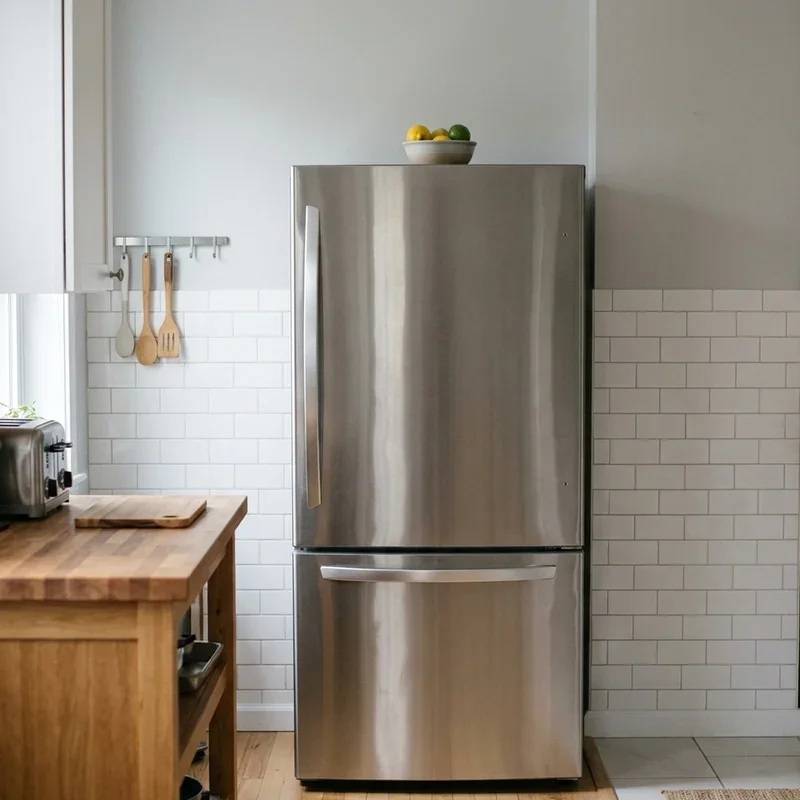
So you're staring at that massive refrigerator knowing it needs to go from point A to point B, and for whatever reason, you're flying solo on this mission. Maybe your friends suddenly got busy, the movers were too expensive, or you're just the independent type who figures you can handle anything life throws at you.
Here's the reality check. Moving a refrigerator alone isn't impossible, but it's definitely not a casual undertaking either. These bulky beasts typically weigh between 200 and 400 pounds, and they're awkwardly shaped with no good handholds to speak of. One wrong move and you're looking at a damaged appliance, scratched floors, or worse, a trip to the emergency room.
But don't worry. Plenty of people have successfully moved refrigerators on their own using the right techniques and equipment. The key lies in working smarter rather than harder, taking your time, and never letting ego override safety sense.
Understanding how to move a refrigerator by yourself safely transforms an intimidating task into a manageable challenge. This comprehensive guide walks you through every step, from initial preparation to final placement, ensuring both you and your fridge arrive at the destination in one piece.
Ready to tackle this appliance moving adventure? Let's break it down step by step.
Essential Preparation Steps
Success starts long before you actually attempt to move anything heavy.
Measuring Doorways and Pathways
Grab your tape measure and check every doorway, hallway, and tight corner along your planned route. Your refrigerator needs to fit through each passage with clearance to spare. Measure the fridge itself, including the doors and handles that add extra width. Compare these dimensions against your narrowest points. Discovering a too-tight doorway while wrestling a three-hundred-pound appliance is the kind of surprise nobody needs during an already challenging task.
Clearing the Moving Path
Remove every obstacle that could trip you up or complicate your route through the house. Roll up rugs that might bunch or slide underfoot when you're pushing heavy weight. Move furniture pieces that crowd hallways or block doorways temporarily. Pick up shoes, toys, and random items cluttering the floor. Take doors off hinges if needed to gain crucial extra inches of clearance. This preparation prevents accidents and makes the actual moving process significantly smoother.
Protecting Your Floors
Heavy refrigerators can absolutely destroy flooring if you're not careful about surface protection. Hardwood scratches easily under concentrated weight and dragging movement. Vinyl and linoleum tear when heavy objects slide across them. Lay down cardboard, moving blankets, or plywood sheets along your entire route. This protection saves potentially thousands in flooring repairs while making sliding the fridge easier on you.
Gathering the Right Equipment
Having proper tools makes all the difference between struggling and succeeding.
Appliance Dolly Essentials
An appliance dolly is your absolute best friend for this job, and honestly, you shouldn't attempt moving a full-sized refrigerator without one. These specialized hand trucks feature rubber straps to secure tall appliances and wheels designed for heavy loads. Rent one from any hardware store or moving company for just a few dollars. The stair-climbing variety with additional wheels makes multi-level moves possible for solo movers.
Moving Straps and Accessories
Ratcheting straps secure your refrigerator to the dolly, preventing dangerous shifting during transport. Furniture sliders placed under the fridge allow easier repositioning before loading onto the dolly. Work gloves with good grip protect your hands while providing better control over the appliance. Moving blankets wrapped around the refrigerator guard against scratches and provide cushioning.
Protective Gear Considerations
Beyond protecting the fridge and floors, protect yourself as well. Sturdy closed-toe shoes with good traction prevent slips and shield your feet from crushing injuries. A back brace provides additional support during lifting and maneuvering. Keep water nearby because this job will make you sweat regardless of technique.
How to Move a Refrigerator by Yourself Safely: The Prep Work
Preparing the refrigerator itself prevents problems during and after the move.
Emptying and Defrosting
Remove absolutely everything from inside your refrigerator before attempting to move it. Every can, bottle, and condiment adds weight and creates dangerous projectiles if things shift unexpectedly. Take out all shelving, drawers, and removable components, packing them separately. If your freezer has ice buildup, defrost it completely at least twenty-four hours before moving day. Water leaking from a partially defrosted freezer creates slippery hazards during transport.
Disconnecting Utilities
Unplug the refrigerator from its electrical outlet, coiling the cord and taping it securely to the back. Turn off the water supply line if your fridge has an ice maker or water dispenser. Disconnect the water line carefully, having towels ready to catch any residual water. Allow adequate time for the compressor to stabilize before moving, typically around four hours after unplugging.
Securing Loose Components
Tape refrigerator doors shut using painter's tape that won't damage the finish. Secure any external components like ice maker tubing or water dispensers. Tape down cord coils so they don't dangle and catch on obstacles. Remove or tape down any protruding handles if they interfere with doorway clearance. These precautions prevent damage and surprise obstructions during transport.
The Solo Moving Technique
Now comes the actual physical work of getting that fridge moving.
Walking the Fridge Away from the Wall
Before you can load the refrigerator onto a dolly, you need clearance behind it for maneuvering. Grip the sides firmly and rock the fridge gently side to side while walking it forward inch by inch. This rocking technique moves heavy appliances without requiring you to lift their full weight. Take your time with this process, working the fridge out until you have several feet of clearance behind it.
Loading onto the Dolly
Tilt the refrigerator back slightly while sliding the dolly plate underneath the bottom edge. Position the dolly so the fridge's weight centers over the wheels when tilted back. Secure the refrigerator to the dolly using the built-in straps, wrapping them around the appliance at least twice. Test the security by gently rocking the loaded dolly. Everything should feel stable and unified before you attempt moving anywhere.
Tilting and Rolling Technique
Proper tilting technique protects both you and the refrigerator from damage during transport. Tilt the dolly back approximately forty-five degrees, letting the fridge's weight rest against the dolly frame. This angle provides stability while keeping the weight manageable. Push rather than pull whenever possible since you can use your body weight more effectively this way. Move slowly and deliberately, stopping to rest whenever needed.
How to Move a Refrigerator by Yourself Safely: Navigating Obstacles
Different challenges require different approaches along your route.
Going Through Doorways
Approach doorways straight on whenever possible rather than at angles. If the fridge won't fit straight through, tilt it diagonally while carefully guiding through the opening. Watch the top of the refrigerator closely as you pass through since that's often where tight-fit collisions happen. Move painfully slow through narrow passages, checking clearance at every angle continuously.
Handling Tight Corners
Corners require planning and patience to navigate without wall damage or getting stuck. Stop before the corner and assess how you'll need to pivot the dolly. Sometimes backing into corners works better than approaching forward. Use furniture sliders under the dolly wheels if you need to pivot in place on hard floors. Accept that tight corners might take several minutes of careful maneuvering to clear successfully.
Conquering Stairs
Stairs represent the most dangerous part of solo refrigerator moving, and honestly, this is where having help becomes most valuable. If you absolutely must do stairs alone, use a stair-climbing dolly designed specifically for this purpose. Take one step at a time, ensuring complete stability before proceeding. Going down stairs is actually more dangerous than going up since you're fighting gravity and weight throughout. Consider whether professional help might be worth it just for the stairs portion.
Loading Into a Vehicle
Getting the refrigerator into a truck or trailer requires careful execution.
Using Ramps Properly
Position your loading ramp securely with adequate angle for safe travel. Test the ramp's stability before attempting to push your loaded dolly up it. Walk alongside rather than directly behind the dolly when going up ramps. If the refrigerator starts rolling backward, step aside rather than trying to stop it with your body.
Securing for Transport
Once inside the vehicle, secure the refrigerator against a wall using ratchet straps. Keep the fridge upright whenever possible since laying it down can damage the compressor. If you must tilt significantly, minimize the time spent at that angle. Add padding between the refrigerator and anything it might contact during transport.
Unloading and Final Placement
The job isn't done until the fridge sits perfectly in its new spot.
Reversing the Process
Unloading essentially reverses everything you did during loading. Take the ramp slowly, controlling descent rather than letting gravity take charge. Navigate obstacles with the same patience you demonstrated earlier. Rest frequently since you'll be tired by this point and more prone to mistakes.
Final Positioning
Remove the dolly and walk the refrigerator into its final position using the side-to-side rocking technique. Ensure adequate ventilation space behind and around the unit as specified by the manufacturer. Level the refrigerator using the adjustable feet built into most models. An unlevel fridge doesn't cool efficiently and can cause door seal problems.
Post-Move Waiting Period
After reaching the final destination, don't immediately plug in and expect perfect operation. Let the refrigerator sit upright for at least four hours before restoring power. This waiting period allows compressor oil to settle properly after all the tilting and movement. Plugging in too soon can damage the compressor permanently, ruining your fridge after all that hard work.
Safety Precautions Throughout
Never sacrifice safety for speed or convenience during this process.
Knowing Your Physical Limits
Be brutally honest about what your body can handle before attempting solo appliance moving. Back injuries from improper lifting can sideline you for weeks or months. If anything feels wrong or overly strained, stop immediately and reconsider your approach. There's no shame in admitting a task exceeds your safe capabilities and calling for assistance.
When to Ask for Help
Certain situations really do require at least one additional person regardless of your independence. Stairs, significant inclines, or very narrow passages multiply difficulty exponentially. Refrigerators larger than standard sizes may simply be too much for one person safely. Recognize when the smart choice is requesting backup rather than risking injury.
Emergency Precautions
Keep your phone accessible in case you need to call for help quickly. Inform someone about your moving plans so they know to check on you. Never position yourself where a falling refrigerator could trap you against walls or obstacles. If the fridge starts tipping beyond control, let it go rather than trying to catch it heroically.
Common Mistakes to Avoid
Learn from others' errors rather than making your own the hard way.
Skipping Equipment Rental
Attempting to move a refrigerator without proper dolly equipment almost guarantees problems. The rental cost is minimal compared to potential floor damage, appliance repair, or medical bills. Don't let cheap shortcuts turn into expensive consequences.
Rushing the Process
Speed and heavy appliance moving don't mix well together. Taking extra time prevents the accidents that happen when people hurry through challenging maneuvers. Schedule more time than you think you'll need and work at a sustainable pace throughout.
Ignoring Warning Signs
Sharp pains, extreme fatigue, or equipment that seems unstable are all signals to stop and reassess. Pushing through warning signs leads to injuries and accidents that proper caution would have prevented entirely.
Conclusion
Mastering how to move a refrigerator by yourself safely requires proper equipment, careful preparation, and unwavering commitment to technique over brute strength. Using an appliance dolly transforms this intimidating task into a manageable solo challenge when combined with floor protection, cleared pathways, and patience through obstacles. Remember that some situations genuinely require assistance, and recognizing those moments demonstrates wisdom rather than weakness. Your safety always matters more than completing any task independently.
Read next: 15 Wood Stove Humidifier Ideas for Cozy Winter Living
Frequently Asked Questions
1.How long should I wait before plugging in a moved refrigerator?
Wait at least four hours after moving to let compressor oil settle before restoring power.
2.Can I lay a refrigerator on its side during transport?
Avoid laying refrigerators down whenever possible since this can damage compressor components and systems.
3.What size dolly do I need for moving a refrigerator?
Use an appliance dolly rated for at least 600 pounds with securing straps for safe transport.
4.How do I protect floors when moving a refrigerator by myself?
Lay cardboard, moving blankets, or plywood sheets along the entire moving path for floor protection.
5.Should I remove refrigerator doors before moving?
Only remove doors if doorway clearance absolutely requires it, as reconnection can be complicated.
Stay up to date with our latest ideas!