How to Clean Dishwasher Smell and Remove Odors
Learn how to clean dishwasher smell and remove odors effectively. Discover simple methods, natural remedies, and prevention tips for freshness.
You open your dishwasher expecting that clean, fresh scent of sparkling dishes, but instead you're hit with a wave of something that smells like a swamp monster has taken up residence inside. It's one of those household mysteries that catches people off guard. How can something designed to clean things end up smelling so absolutely terrible?
Here's the irony that gets most homeowners. Your dishwasher works hard cleaning your dishes day after day, but nobody thinks about cleaning the cleaner itself. All that food debris, grease, and standing water has to go somewhere, and unfortunately, it often ends up creating a funky aromatic situation that makes you question whether your dishes are actually getting clean at all.
The good news? A smelly dishwasher doesn't mean you need to call a repairman or start shopping for a replacement. Most dishwasher odors come from simple causes that you can address yourself with items probably already sitting in your kitchen cabinets.
Understanding how to clean dishwasher smell and remove odors transforms your kitchen appliance from a stink factory back into the hardworking cleaning machine it's supposed to be. Whether you're dealing with a mild musty smell or a full-on olfactory assault, this comprehensive guide walks you through every solution that actually works.
Ready to breathe easy in your kitchen again? Let's tackle this problem head-on.
Understanding Why Dishwashers Start Smelling
Before diving into solutions, knowing the enemy helps you fight it more effectively.
Food Debris Buildup
Tiny food particles escape the filter and accumulate in hidden corners, crevices, and spray arm holes throughout your dishwasher. These organic materials begin decomposing almost immediately, especially in the warm, moist environment your dishwasher provides. Even if you're scraping plates before loading, microscopic food bits slip through every single cycle. Over time, this accumulation creates bacterial colonies that produce those unmistakable foul odors wafting out whenever you open the door.
Standing Water Issues
Dishwashers never drain completely dry, leaving small amounts of water in the bottom and various components after each cycle. This residual moisture becomes stagnant between uses, developing that characteristic musty smell reminiscent of dirty mop water. Homes where the dishwasher runs infrequently experience worse standing water problems. The longer water sits, the more time bacteria and mold have to colonize and produce odor-causing compounds throughout the machine.
Mold and Mildew Growth
The dark, damp interior of a closed dishwasher creates perfect conditions for mold and mildew to flourish undetected. These fungi particularly love the rubber door gasket, the area around the detergent dispenser, and any rubber seals throughout the machine. Mold growth doesn't just smell bad. It can also spread to your supposedly clean dishes, creating potential health concerns. That characteristic mildewy smell signals fungal colonies have established themselves in your appliance.
Grease Accumulation
Cooking oils and fats don't always wash away completely during normal cycles. Instead, they coat interior surfaces, spray arms, and drainage components with a thin, sticky layer. This grease film traps other debris and provides food for bacteria, compounding the odor problem. Over time, grease buildup can affect dishwasher performance while contributing significantly to unpleasant smells that permeate your kitchen.
How to Clean Dishwasher Smell and Remove Odors: Basic Cleaning Steps
Start with these fundamental cleaning tasks before moving to deeper solutions.
Cleaning the Filter
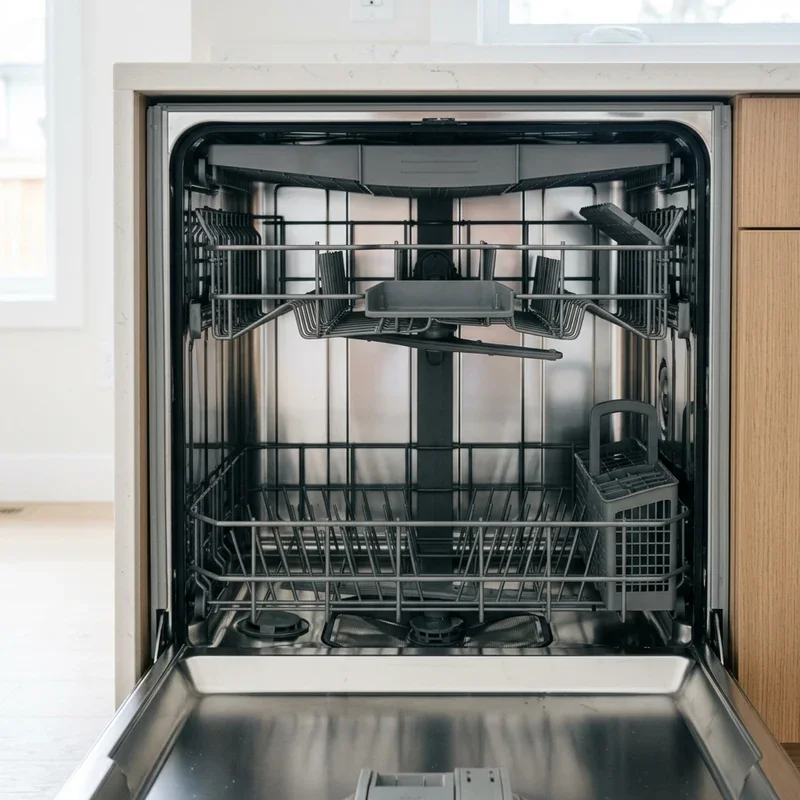
Your dishwasher filter does the heavy lifting of trapping food debris before it clogs the drain, but it needs regular attention to function properly. Locate the filter, typically at the bottom of the dishwasher floor, and remove it according to your owner's manual instructions. Rinse under running water, using a soft brush to dislodge any stubborn particles stuck in the mesh. Soak particularly dirty filters in warm soapy water for fifteen minutes before scrubbing. Clean this filter weekly if you run your dishwasher daily.
Wiping Down the Door and Gasket
The door edges and rubber gasket around the door opening collect surprising amounts of grime that never gets touched by wash water. Grab a damp cloth and thoroughly wipe the entire door edge, paying special attention to the bottom where debris settles heaviest. Pull back the rubber gasket gently and clean inside the folds where mold loves hiding. This area often harbors the worst odor-causing buildup since it stays constantly damp and never benefits from the washing action.
Cleaning Spray Arms
Spray arms have tiny holes that can become clogged with mineral deposits and food particles over time. Remove the spray arms if possible and rinse them under running water. Use a toothpick or small wire to clear each spray hole individually. Soaking arms in vinegar helps dissolve stubite mineral deposits clogging the openings. Reinstall once all holes spray freely when you blow through them.
Inspecting the Drain Area
The drain at the bottom of your dishwasher often becomes ground zero for odor problems. Remove the bottom rack to access the drain area clearly. Check for and remove any visible debris, food chunks, or items that may have fallen during washing cycles. Broken glass, small utensils, and accumulated gunk commonly collect here. Use paper towels to soak up any standing water that might be harboring bacteria and contributing to smells.
Deep Cleaning Methods
When basic cleaning isn't enough, these intensive approaches tackle stubborn odors.
The Vinegar Cycle Method
White vinegar is your secret weapon for dishwasher deodorizing, naturally breaking down grease and killing odor-causing bacteria. Place a cup of white vinegar in a dishwasher-safe container on the top rack of your empty machine. Run a complete hot water cycle without any detergent. The vinegar disperses throughout, reaching areas you can't access manually and dissolving buildup on interior surfaces. The acidic nature cuts through grease while eliminating bacterial populations responsible for bad smells.
Baking Soda Treatment
Following your vinegar cycle, sprinkle one cup of baking soda across the bottom of your empty dishwasher. Run a short hot water cycle to distribute the baking soda throughout the machine. Baking soda neutralizes remaining odors rather than just masking them while providing gentle abrasive action against stubborn residue. This one-two punch of vinegar followed by baking soda tackles most dishwasher odor problems effectively.
Commercial Dishwasher Cleaners
Purpose-made dishwasher cleaning products offer convenience and targeted odor-fighting formulas. Products like Affresh, Finish Dishwasher Cleaner, and similar brands contain specialized ingredients for dissolving grease and eliminating odor sources. Follow package directions, typically running an empty cycle with the cleaner tablet or liquid. These products often work faster than DIY methods though they cost more and involve synthetic chemicals.
How to Clean Dishwasher Smell and Remove Odors: Targeting Specific Problem Areas
Different odor sources require different approaches for effective treatment.
Dealing with Mold Growth
Mold requires more aggressive treatment than ordinary food debris buildup. Create a solution of equal parts water and white vinegar in a spray bottle. Spray all visible mold growth, particularly around the door gasket and any rubber seals. Let the solution sit for fifteen minutes before scrubbing with a stiff brush. For stubborn mold, use a diluted bleach solution instead, being careful not to mix bleach with other cleaning products.
Addressing Drain Clogs
Partial drain clogs cause water to sit longer than intended, breeding odor-causing bacteria in stagnant pools. Pour boiling water down the drain to loosen grease buildup. Follow with a mixture of baking soda and vinegar, letting it fizz for fifteen minutes. Run hot water through the drain to flush loosened material. Persistent clogs may require snaking the drain line or professional attention.
Cleaning the Detergent Dispenser
Residual detergent and rinse aid build up in the dispenser compartment over time, creating sticky residue that attracts debris and harbors odors. Remove the dispenser cover if possible and soak in hot soapy water. Use an old toothbrush to scrub every corner and crevice of the dispenser area. Rinse thoroughly and dry completely before closing.
Sanitizing Interior Surfaces
After removing debris, sanitize the entire interior to kill remaining bacteria and mold spores. Run an empty cycle on the sanitize setting if your dishwasher offers this option. Alternatively, run the hottest cycle available after cleaning to achieve similar results. High temperatures kill microorganisms that produce odors, providing a fresh start for your newly cleaned appliance.
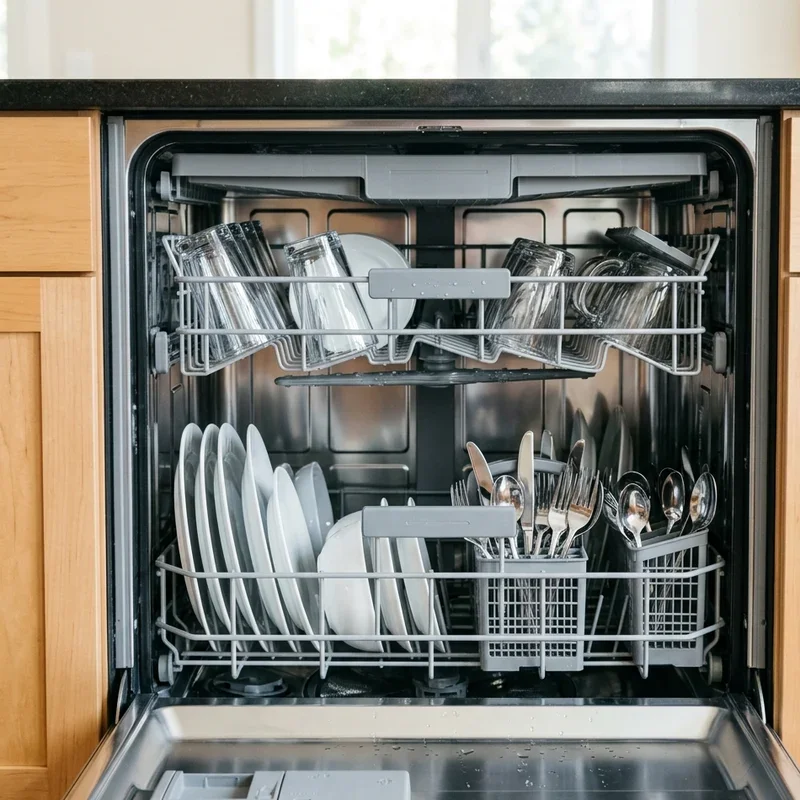
Natural Odor-Fighting Solutions
Chemical-free approaches work surprisingly well for many dishwasher odor problems.
Lemon Power
Lemons contain natural citric acid that cuts grease while leaving fresh, clean scents behind. Place a cup of lemon juice in the top rack and run a hot cycle. Alternatively, place lemon peels in the utensil basket during a regular wash cycle. The citrus oils release during washing, deodorizing the machine while cleaning your dishes. This method smells fantastic and provides ongoing freshness.
Essential Oil Additions
Adding a few drops of essential oils to your vinegar cleaning solution enhances odor-fighting power with pleasant aromatics. Tea tree oil offers antibacterial and antifungal properties perfect for combating mold-related smells. Eucalyptus and peppermint oils provide fresh scents while contributing antimicrobial benefits. Just a few drops go a long way in creating pleasant-smelling results.
Citric Acid Treatments
Pure citric acid powder, available at most grocery stores, provides concentrated cleaning power for mineral deposits and grease buildup. Sprinkle two tablespoons in the bottom of an empty dishwasher and run a hot cycle. Citric acid dissolves scale deposits while deodorizing and brightening interior surfaces. This natural approach works particularly well in areas with hard water.
Prevention Strategies
Stopping odors before they start beats fighting them after they've taken hold.
Pre-Rinsing Best Practices
While modern dishwashers don't require thorough pre-washing, scraping plates removes the large food particles that cause the worst odor problems. Knock loose debris into the trash before loading dishes. Remove particularly odorous food residues like fish or garlic since these can permeate the machine even after washing.
Running Cycles Regularly
Dishwashers that sit unused for extended periods develop worse odor problems than those running daily. If you don't have enough dishes for a full load, run a rinse cycle to flush standing water and prevent bacterial growth. Regular use keeps water flowing and prevents stagnation that breeds smells.
Proper Loading Techniques
Overcrowded dishwashers don't clean effectively, leaving food residue that contributes to odors. Space dishes properly to allow water spray to reach all surfaces. Position items so water drains off rather than collecting in cups or bowls turned upward. Proper loading improves cleaning performance while reducing debris accumulation.
Regular Maintenance Schedule
Establishing a cleaning routine prevents odors from becoming overwhelming problems. Clean the filter weekly with regular dishwasher use. Wipe the door gasket monthly to prevent mold establishment. Run a vinegar cycle monthly for ongoing odor prevention. Deep clean quarterly using baking soda and thorough interior wiping.
Leaving the Door Open
After cycles complete, leaving the dishwasher door slightly ajar allows interior moisture to evaporate rather than sitting stagnant. This simple habit prevents the damp conditions mold and mildew need to thrive. Even just cracking the door an inch makes significant difference in moisture levels and resulting odors.
Troubleshooting Persistent Odors
When standard cleaning doesn't solve the problem, deeper issues may be at play.
Plumbing Connection Problems
Sometimes odors enter through improperly installed drain connections rather than originating inside the dishwasher itself. The drain hose should loop upward before connecting to the garbage disposal or drain, preventing sewer gases from backflowing. Check that the air gap device, if installed, isn't clogged. Plumbing issues require correction beyond simple cleaning to resolve odor problems.
Garbage Disposal Connection
Dishwashers draining into garbage disposals can pick up odors from decomposing food waste in the disposal unit. Clean your garbage disposal regularly using ice cubes and citrus peels. Ensure the disposal knockout plug was removed during installation. Run the disposal before starting dishwasher cycles to clear the drain path.
Professional Inspection Needs
Persistent odors despite thorough cleaning may indicate problems requiring professional diagnosis. Failing components, hidden mold growth in inaccessible areas, or drainage issues might need expert attention. Don't hesitate to call an appliance repair technician if DIY efforts aren't resolving the smell.
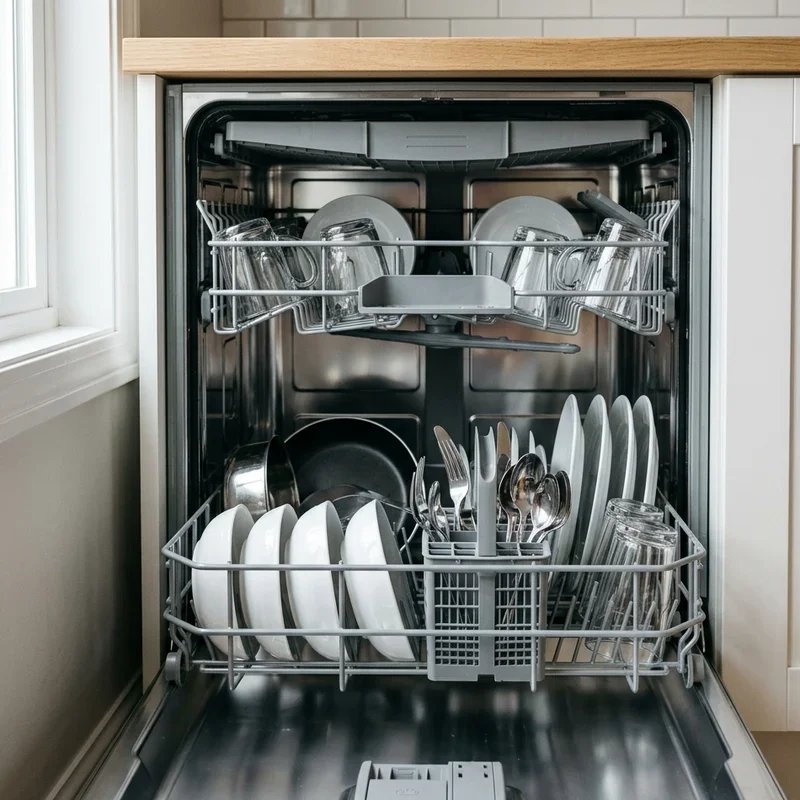
Long-Term Freshness Maintenance
Keeping your dishwasher smelling good requires ongoing attention.
Monthly Deep Clean Routine
Commit to monthly deep cleaning regardless of whether you notice odors. Prevention maintains freshness better than reactive cleaning after problems develop. Put it on your calendar and make it a non-negotiable part of home maintenance.
Quality Detergent Selection
Cheap detergents sometimes don't clean effectively, leaving residue that contributes to odor problems. Invest in quality dishwasher detergent appropriate for your water hardness level. Consider adding rinse aid if you're not already using it.
Water Temperature Verification
Hot water cleans better and kills more bacteria than lukewarm cycles. Verify your water heater provides adequate temperature for effective dishwashing. Run hot water at your kitchen sink before starting the dishwasher to ensure hot water fills from the start.
Conclusion
Mastering how to clean dishwasher smell and remove odors keeps your kitchen fresh while ensuring your dishes emerge truly clean from every cycle. Regular filter cleaning, monthly vinegar treatments, and attention to often-overlooked areas like the door gasket prevent most odor problems before they start. When smells do develop, the combination of natural solutions like baking soda and vinegar with thorough manual cleaning eliminates even stubborn odors. Your dishwasher works hard for your family, and keeping it clean and fresh-smelling rewards that service.
Read next: 15 Antique Kitchen Ideas for a Warm and Elegant Space
Frequently Asked Questions
1.How often should I clean my dishwasher to prevent odors?
Clean the filter weekly and run a vinegar cycle monthly for optimal odor prevention.
2.Can I use bleach to clean my dishwasher smell?
Yes, but never mix bleach with other cleaners and avoid using on stainless steel interiors.
3.Why does my dishwasher smell even after cleaning it thoroughly?
Persistent odors may indicate plumbing issues, hidden mold, or problems requiring professional diagnosis and repair.
4.Is it safe to mix vinegar and baking soda in my dishwasher?
Use them separately in consecutive cycles rather than together for maximum cleaning effectiveness safely.
5.Should I leave my dishwasher door open after each cycle?
Yes, leaving the door slightly open allows moisture to evaporate and prevents mold growth effectively.
Stay up to date with our latest ideas!